Health and Safety Policy for Gardeners Canning Town
 This health and safety policy sets out how gardeners in Canning Town can work responsibly, reduce risk, and protect themselves, clients, visitors, and members of the public. Gardening often seems straightforward, but it can involve sharp tools, moving machinery, manual lifting, soil handling, working at height, and exposure to changing weather. A clear policy helps ensure that every task is completed with care, consistency, and safety-first thinking.
The purpose of this policy is to promote a safe working environment across all routine and specialised gardening activities. It applies to planting, pruning, hedge cutting, lawn maintenance, waste removal, pressure washing, and general grounds care. Whether work is carried out in private gardens, shared outdoor spaces, or commercial premises, all team members are expected to follow safe methods, use equipment correctly, and report any hazards without delay.
For gardeners Canning Town, safety begins with preparation. Before any job starts, a basic risk assessment should be completed to identify hazards such as uneven ground, broken paving, loose debris, hidden objects, overhead obstacles, pests, or nearby foot traffic. This allows the work to be planned properly and helps reduce the chance of injury, property damage, or disruption.  Where conditions change during the job, the assessment should be updated immediately.
All workers must use appropriate personal protective equipment, including gloves, sturdy footwear, eye protection, ear defenders when needed, and weather-appropriate clothing. In some cases, dust masks, knee protection, or high-visibility clothing may also be required. PPE is not a substitute for safe practice, but it adds an important layer of protection when handling tools, cutting vegetation, or working near traffic, machinery, or hazardous materials.
Tools and equipment must be inspected before use and kept in safe working order. Blades, cords, fuel systems, batteries, and guards should be checked regularly, and any faulty item should be removed from use immediately. Only trained and authorised personnel should operate powered tools or machinery. Gardeners should never bypass safety controls or use damaged equipment, as this can lead to serious harm. Good maintenance is essential to safe gardening operations.
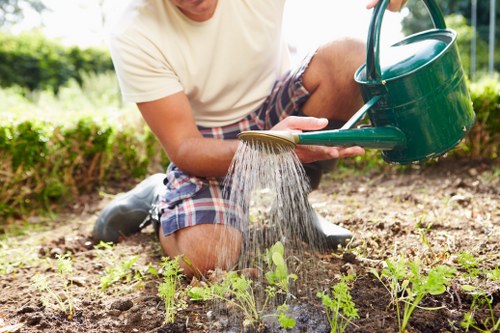 Manual handling is another important part of this policy. Tasks such as lifting compost bags, moving planters, carrying mowers, or shifting waste can place strain on the back, shoulders, and knees. Workers should use correct lifting techniques, team lift where necessary, and avoid overloading themselves. If a load is too heavy, too awkward, or too unstable, assistance should be requested. Safe posture and measured movement help prevent long-term injury.
Working outdoors means exposure to weather, so suitable precautions must always be taken. In hot conditions, staff should stay hydrated, take regular breaks, and watch for signs of heat stress. In cold, wet, or windy conditions, clothing should provide protection while still allowing movement and grip. Surfaces may become slippery after rain or irrigation, so care should be taken when using ladders, stepping on grass, or moving between work areas. Weather awareness is a key part of everyday garden safety.
When working near the public, children, pets, or neighbouring properties, extra care is required. Tools should be positioned safely, waste should be stored neatly, and areas under active maintenance should be kept clearly identified where needed. If a task involves noise, flying debris, or temporary obstruction, the workspace should be managed so that others are not placed at risk. The aim is to ensure that gardening activity remains orderly, controlled, and considerate.
Training and supervision are essential to effective health and safety management. Every gardener should understand the correct use of equipment, basic emergency procedures, hazard reporting, and safe handling methods. New staff should be inducted before beginning work, and refresher training should be provided when tools, processes, or risk levels change. Supervisors must monitor compliance and encourage a culture where safety concerns are raised early and addressed promptly.
Emergency preparedness must also be built into daily operations. First aid supplies should be available, and workers should know what to do in the event of cuts, falls, contact with chemicals, allergic reactions, or equipment failure. If an incident occurs, work should stop, the area should be made safe, and the situation should be reported according to internal procedure. Serious accidents must be escalated quickly so that appropriate action can be taken and lessons can be learned.
Where chemicals, fertilisers, or cleaning agents are used, they must be stored, labelled, and handled carefully. Gardeners should follow manufacturer instructions and avoid mixing substances unless specifically permitted. Gloves and eye protection may be required when handling such materials, and any spill should be contained and cleaned in line with safe procedure. Waste, including grass cuttings, branches, and contaminated items, should be disposed of responsibly to prevent hazards and maintain a tidy site.
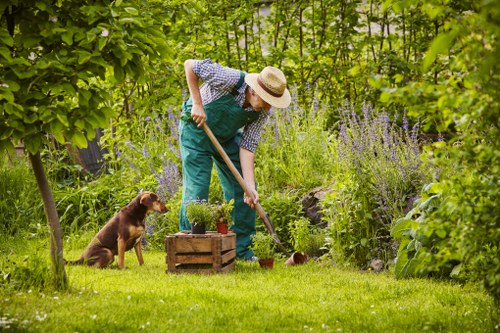 Environmental care is closely linked to safety. A clean and organised workspace reduces trip hazards, improves access, and supports efficient movement around the site. Hoses, cords, bags, and tools should not be left across walkways. Fuel and sharp implements should be stored securely when not in use. By keeping work areas well managed, gardeners can improve both productivity and protection for everyone involved.
Compliance with this policy is mandatory for all employees, contractors, and temporary workers involved in garden maintenance activities. Failure to follow safe practice may result in work being paused or disciplinary action being taken, depending on the seriousness of the issue. The policy should be reviewed regularly to reflect changes in equipment, working methods, and identified risks, ensuring that standards remain current and effective.
 In summary, this gardeners health and safety policy is designed to support safe, efficient, and professional outdoor work. By assessing risks, using equipment properly, wearing suitable protection, maintaining awareness, and responding quickly to hazards, gardeners in Canning Town can carry out their duties with confidence and care. Safe practice protects people, preserves property, and strengthens the quality of every gardening service delivered.