Guide to Newham council garden waste rules for gardeners
If you garden in Newham, the garden waste rules can shape everything from a quick hedge trim to a full-site clearance. That sounds dry on paper, but in real life it matters a lot: what you cut, how you bag it, where it goes, and whether it ends up as a clean, compliant load or a messy problem. This guide to Newham council garden waste rules for gardeners explains the practical side in plain English, so you can work tidily, avoid costly mistakes, and make better decisions on every job.
Whether you are maintaining a small back garden, managing a rental property, or handling regular clearance for clients, a little clarity goes a long way. Truth be told, most garden waste issues are caused by a few simple misunderstandings - mixed waste, overfilled bags, wet green waste, or assuming "it's just leaves" means anything goes. Let's make it straightforward.
Why Newham council garden waste rules matter
Garden waste is not just "green stuff." Under UK waste practice, it needs to be handled sensibly and kept separate from general rubbish wherever possible. In Newham, that means gardeners need to think about what is being removed, how it is stored, and whether it is being taken away through the right route. If you are doing regular work, the rules affect speed, cost, and compliance all at once.
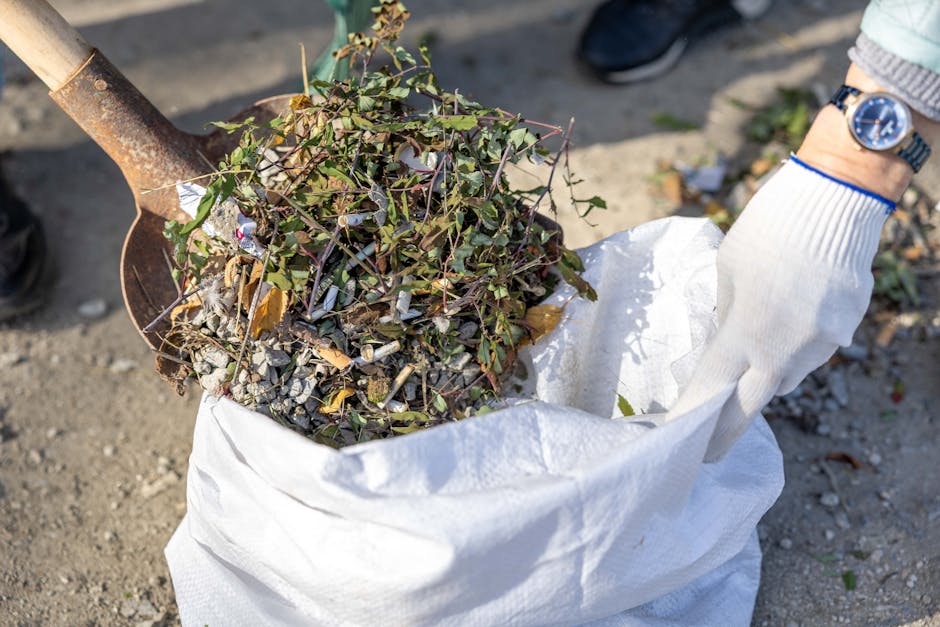
For a gardener, the difference between a clean garden waste load and a mixed waste load is huge. Grass cuttings, hedge trimmings, leaves, weeds, and small prunings are usually straightforward. But the moment you start mixing in soil, rubble, plastics, old plant pots, timber, or treated materials, disposal becomes more complicated. And yes, that is where jobs become annoying very quickly.
There is also the client expectation side. Homeowners want the garden tidied up without a trail of bags left by the gate, and landlords want clear, safe spaces for tenants. If you are offering garden clearance or ongoing garden maintenance, understanding the waste rules helps you price accurately and explain what is included. That builds trust, which is half the battle.
Practical takeaway: the cleaner and better sorted the waste, the easier the job is to move, dispose of, and quote properly. Mixed loads are where time and money leak away.
How Newham council garden waste rules work in practice
The exact service arrangements can change, so the safest approach is to follow the current Newham council guidance for domestic waste collections and any specific garden waste service terms. From a gardener's point of view, the working principles are usually consistent: separate garden waste from non-garden waste, present it correctly if it is being collected, and do not contaminate it with items that belong in other streams.
Here is the simple version. If you are trimming a hedge, mowing a lawn, or clearing seasonal growth, you should think about the waste in categories:
- Green waste: grass cuttings, leaves, hedge trimmings, weeds, and small prunings.
- Woody waste: thicker branches and small timber from trees and shrubs.
- Soil and heavy material: earth, turf with significant soil attached, stones, rubble, broken paving, or old pots.
- General waste: plastic ties, packaging, old labels, broken tools, and non-organic debris.
That separation matters because collection and disposal routes are different. Green waste can often be recycled or composted through appropriate channels, while mixed waste may need a more expensive disposal route. If you are planning a bigger tidy-up around a lawn edge or overgrown border, services such as lawn care and hedge trimming often generate waste in a pattern you can predict and sort before the job starts.
For tree work, the same logic applies, just on a larger scale. Branch diameter, trunk sections, and brash can all change how the waste is handled. If the task is beyond basic pruning, it is worth considering tree surgery or tree lopping and removal rather than treating it as an ordinary green-waste job.
A good rule of thumb: if it is wet, heavy, mixed, or awkward, it will probably cost more to remove. Simple enough, but easy to forget on a busy Tuesday morning when the wheelbarrow is already full.
Key benefits and practical advantages
Getting the garden waste process right is not just about compliance. There are real-world advantages that make jobs smoother and clients happier.
- Cleaner site presentation: Proper sorting means less mess, fewer stray clippings, and a tidier finish.
- Faster load-out: Waste that is already separated is easier to bag, stack, and remove.
- Better quoting: You can estimate labour and disposal more confidently.
- Lower contamination risk: Green waste stays reusable when it is not mixed with rubbish.
- Fewer disputes: Clients understand what is included, which helps avoid awkward conversations later.
- Safer working conditions: Less chance of hidden sharp objects, broken glass, or heavy debris in a green pile.
There is another benefit people often miss: reputation. A gardener who leaves the site spotless after a clearance job tends to get called back. It sounds obvious, but not every contractor does it. A bit of discipline with waste sorting can quietly become one of your strongest selling points.
If you are running a broader service offering, it can be useful to align waste handling with your other work too. For example, lawn mowing produces a predictable volume of light clippings, while heavier seasonal work around borders may call for a more structured clearance approach. If you also provide gardening services, bundling tasks into a planned visit often keeps waste volumes more manageable.
Who this is for and when it makes sense
This guide is most useful for anyone who generates or removes garden waste in Newham. That includes professional gardeners, local maintenance teams, landlords, managing agents, and homeowners doing their own garden work. If you are dealing with just a bag or two of hedge cuttings, the process is usually simple. But if the job involves several trips, mixed materials, or a neglected garden, the rules become much more relevant.
It also makes sense if you are deciding between doing the disposal yourself or hiring help. For a small front garden, DIY may be perfectly sensible. For an overgrown rear garden with heavy cuttings, thorny branches, and a bit of soil stuck to everything, professional removal can be the less stressful option. To be fair, nobody enjoys wrestling five damp bags through a narrow side passage in the rain.
You may especially need this if you work near other features that produce awkward waste streams. Think fences with rotting posts, patios with moss and sweepings, or borders bordered by old timber. In those cases, related services like fencing, patio cleaning, or landscaping can all generate waste that needs a separate plan.
One more group to think about: gardeners who offer regular seasonal visits. If you are pruning, tidying, and clearing every few weeks, the waste picture is not random anymore. You can plan for it, and that is where compliance and profit margins both improve.
Step-by-step guidance
Here is a practical way to handle Newham council garden waste rules without overcomplicating things.
- Identify the waste before you start. Separate green waste, woody material, soil, and general rubbish in your head first. That saves time later.
- Check whether the waste can be composted or recycled. Clean green waste is usually the best candidate for recycling routes.
- Keep contaminated material out of the pile. Remove plastic ties, plant labels, broken pots, metal fixings, and general rubbish as you go.
- Bag or bundle the waste sensibly. Loose waste can become messy and hard to move, especially if it is damp.
- Do not overload containers. Heavy bags split, and split bags create more work than they save. Oddly enough, that always seems to happen right as you are in a rush.
- Store waste safely until collection or removal. Keep it out of walkways and away from anything sharp, slippery, or combustible.
- Arrange the right disposal route. Domestic collection, hire waste removal, or a licensed waste service may be appropriate depending on the job.
- Document what was removed if you are a professional. Good records help with billing, client clarity, and compliance.
For larger or recurring jobs, a structured approach really pays off. If your work includes hedge cuts, lawn edging, or border maintenance, try to stage the waste into separate piles on site. It sounds basic, but the difference between "we'll sort it later" and "we sorted it now" is massive by the end of the day.
If the job is part of a wider transformation, such as clearing before new planting or redesigning a tired garden, it may be worth looking at a more integrated approach through landscape gardening or garden clearance. That way, waste handling is built into the work plan instead of being an afterthought.
Expert tips for better results
The best waste jobs are usually the ones that looked boring on the surface. No drama, no last-minute panic, just clean organisation. A few habits make a big difference.
- Cut dry where possible: Dry green waste is lighter and less likely to smear or rot while waiting for collection.
- Use the right bags: Strong sacks or builders' bags can be useful for volume, but only if you do not overfill them.
- Stack woody waste separately: Branches and thicker prunings are easier to handle when kept apart from soft cuttings.
- Work from clean to dirty: Remove easy green waste first, then deal with soil, mud, and debris after.
- Protect access routes: Narrow side gates, decking, and paths can become slippery fast. A small slip is all it takes.
- Plan around collection timing: If waste is likely to sit for a day or two, keep it covered and tidy.
One thing we often see in practice is waste being left in the wrong place because the team is focused on finishing the visible part of the job. That is understandable, but it creates a second job for later. The smarter move is to treat disposal as part of the finish, not an optional extra.
And if you are working on a property with older surfaces or delicate edges, be especially careful with dragging bags across paving or decking. It only takes one corner scrape to leave a mark. Small stuff, but it adds up.
Common mistakes to avoid
Most garden waste problems are not dramatic. They are ordinary mistakes that snowball.
- Mixing garden waste with household rubbish: This is one of the easiest ways to complicate disposal.
- Putting soil in green waste bags: Soil is heavy and often handled differently from plant material.
- Leaving plastic ties and pots in the pile: Tiny bits of contamination can spoil a whole load.
- Overfilling bags: It makes handling unsafe and slows everything down.
- Assuming all council services work the same way: Different areas can have different collection rules and set-out requirements.
- Ignoring access: A perfectly sorted load is still a problem if nobody can move it through the side return.
- Forgetting client consent: If you are removing waste for someone else, make sure they understand what will be taken away and how.
Another mistake is treating all tree or hedge waste as identical. It is not. A few hedge trimmings are one thing; a pile of brash from a mature shrub or small tree is another. If the scale changes, your method should too. Sounds obvious, but people miss it all the time.
Tools, resources and recommendations
You do not need a van full of specialist kit to handle garden waste properly, but a few basics help a lot.
- Heavy-duty sacks: Useful for leaves, grass, and lighter cuttings.
- Tarpaulins: Handy for moving waste and keeping piles contained on wet ground.
- Wheelbarrow or garden trolley: Makes repeated trips faster and safer.
- Gloves and eye protection: Especially important when clearing thorny stems or hidden debris.
- Rake and hand fork: Good for separating fine waste from soil and mulch.
- Securing ties or twine: Helpful for bundling branches neatly.
For businesses, it is also worth having a clear pricing framework and a simple waste policy for clients. You can explain what is included, what counts as mixed waste, and when a job needs extra labour or disposal time. That kind of clarity pairs well with transparent pricing and quotes, and it helps avoid awkward surprises on the day.
If sustainability is part of your service message, make that practical rather than fluffy. Explain that clean green waste is kept separate, and where appropriate it is directed into recycling or composting routes. You can also reinforce your wider approach through recycling and sustainability. That page is a natural fit for readers who care how the waste is handled after it leaves the garden.
Law, compliance, standards and best practice
Garden waste handling in Newham sits within broader UK waste expectations. The core idea is simple: waste should be managed responsibly, kept separate where possible, and taken only through lawful disposal routes. For professional gardeners, that means using sensible working practices and avoiding any dumping, burning, or unlicensed disposal. No shortcuts. Ever.
If you are operating as a business, it is wise to think in terms of duty of care. In everyday language, that means you should know what the waste is, who is taking it, and where it is going. Keep your process tidy, your records sensible, and your clients informed. If a load is mixed or potentially contaminated, treat it as such instead of hoping it will magically sort itself out. It won't.
Best practice also includes:
- separating green waste from other materials as early as possible
- keeping loads safe and secure during transport
- avoiding overfilled containers
- being honest about what can and cannot be removed under a normal garden service
- using appropriate safety measures when handling heavy, sharp, or awkward waste
That final point matters more than people think. A damp pile of hedge cuttings can hide broken glass, wires, or old fixings. You do not always see it until you pick it up. A bit of caution saves a lot of hassle.
If your work involves more physical site clearance, machinery, or higher-risk tasks, it is sensible to align waste handling with your wider job standards. Pages such as health and safety policy and insurance and safety are useful references for customers who want reassurance that the work is handled properly. That reassurance matters, especially on jobs with uneven ground, tight access, or heavier material.
Options, methods and comparison table
There is no single best way to deal with garden waste. It depends on the amount, the material, and how quickly you need it gone. Here is a simple comparison.
| Method | Best for | Pros | Watch-outs |
|---|---|---|---|
| Bag-and-collect | Small to medium green waste | Cheap, tidy, straightforward | Can be slow if the volume is high |
| On-site sorting | Mixed gardening jobs | Reduces contamination, improves recycling | Needs discipline and space |
| Professional clearance | Large, overgrown, or awkward jobs | Fast, convenient, less lifting for the client | Usually costs more than DIY |
| Phased removal | Big gardens with repeated visits | Spreads cost and workload | Requires planning and follow-up |
In many Newham gardens, the best answer is a blend of methods. A quick tidy may only need bags and a small load-out. A neglected rear garden might need phased clearance, especially if it includes hedges, long grass, and a few surprise items hiding under the brambles. There is always a surprise item, isn't there?
If your job extends beyond waste removal into reshaping the space, it can make sense to combine the clearance with work such as lawn mowing, lawn care, or even fresh structure through landscaping. That gives the site a proper finish rather than just a bare sweep.
Case study or real-world example
Picture a modest terraced garden after a full spring reset. The job includes hedge trimming at the back, a patchy lawn cut, border weeding, and a few dead shrubs removed near the fence line. At first glance it feels like one straightforward task. In reality, it produces three different waste types: soft green cuttings, thicker woody material, and a small amount of mixed debris from the borders.
The efficient approach is to sort as you go. Hedge clippings go into sacks or a contained pile. Branches are tied or stacked separately. Any old ties, pot shards, or random plastic bits are taken out immediately. By the end of the job, the waste is ready for a clean collection rather than one giant, damp, mixed heap. The garden looks finished, the path stays clear, and the client is not left wondering why there are three different kinds of rubbish on the drive.
That same approach works for property managers too. If a rental garden has become overgrown between tenancies, a thorough first visit might focus on clearance, while the second visit moves into maintenance. If needed, a service combination involving garden maintenance and garden clearance can restore the space without turning it into a one-day marathon.
Small systems, honestly, make all the difference. Once the waste is under control, the whole job feels calmer.
Practical checklist
Use this checklist before, during, or after a garden waste job in Newham.
- Have I separated green waste from general rubbish?
- Are soil, rubble, and heavy material kept apart?
- Have I removed plastics, ties, and broken containers?
- Are bags or bundles manageable and not overfilled?
- Is the access route safe and clear?
- Do I know whether the waste will be collected, composted, or removed by a service?
- Have I explained the disposal plan to the client?
- If this is a business job, have I kept a simple record of what was removed?
- Are sharp items, damp areas, and trip hazards under control?
- Does the site look tidy enough to hand back confidently?
If you can tick all of that off, you are usually in good shape. And if one or two items are not quite there, sort them before you call the job finished. That last ten percent is where the good impressions live.
Conclusion
Guide to Newham council garden waste rules for gardeners is really about working neatly, separating materials properly, and choosing the right disposal route for the job. When you get those basics right, everything else gets easier: quoting, collection, site safety, and client satisfaction. It also makes your work feel more professional, which matters more than people admit.
The best gardens are not just trimmed and tidy. They are managed well from the ground up, including what leaves the site at the end of the day. Keep the waste clean, keep the process simple, and keep your standards steady. That is usually enough.
If you want help planning a larger clearance, tightening up your maintenance routine, or balancing waste handling with the rest of the job, explore our relevant service pages or get in touch when you are ready.
Get a free quote today and see how much you can save.
Frequently Asked Questions
What counts as garden waste in Newham?
Typically, garden waste includes grass cuttings, hedge trimmings, leaves, weeds, and small prunings. Soil, rubble, plastics, and general rubbish are usually treated differently and should not be mixed in with green waste.
Can I put soil in a garden waste bag?
Usually not. Soil is heavy and often handled separately from green waste. A small amount stuck to roots may be unavoidable, but large quantities of soil should be kept apart.
Do I need to separate branches from grass cuttings?
It is best practice to do so. Branches and woody material are bulkier and may be handled differently from soft green waste. Sorting them also makes lifting and disposal easier.
What happens if my garden waste is mixed with rubbish?
Mixed loads are harder to recycle and can lead to extra disposal costs or collection issues. The cleaner the separation, the smoother the process tends to be.
Are gardeners responsible for waste left on site?
If you are hired to remove waste, responsibility depends on the agreement with the client and how the service is structured. Clear communication before work starts avoids confusion later.
Is it better to bag garden waste or leave it loose?
For most jobs, bagging or bundling makes the waste easier to move and keeps the site tidier. Loose waste can be fine temporarily, but it becomes messy fast, especially in wet weather.
Can I burn garden waste instead of collecting it?
That depends on local rules and property conditions, but burning is often discouraged and can create nuisance or safety issues. It is usually wiser to use proper collection or disposal routes.
How do I know if a garden clearance job is too big for DIY?
If the site is heavily overgrown, access is awkward, or the waste volume is large and mixed, professional clearance is often the easier choice. A quick tidy is one thing; a full reset is another.
Do Newham garden waste rules affect commercial gardeners differently?
Yes, in practice they often do. Professional gardeners need to think about duty of care, transport, disposal records, and client communication, not just the physical removal of waste.
What is the most common mistake gardeners make with waste?
Mixing different waste types is probably the biggest one. It seems small at the start, but it can turn a tidy job into a complicated disposal problem.
How can I keep waste handling efficient on regular maintenance visits?
Plan the work in stages, separate waste as you go, and keep a simple routine for bags, bundles, and access routes. Small habits make repeat visits much smoother.
Where do fencing or patio jobs fit into garden waste planning?
Jobs like fencing or patio cleaning often create extra debris beyond normal green waste. They may need a broader clearance plan so that wood, sweepings, and mixed material are handled properly.